Zero-Trust Security & RBAC in Modern Multi-Tenant SaaS
Cryptographic data isolation, OAuth 2.0 PKCE token exchange, and granular permission boundaries for enterprise compliance.
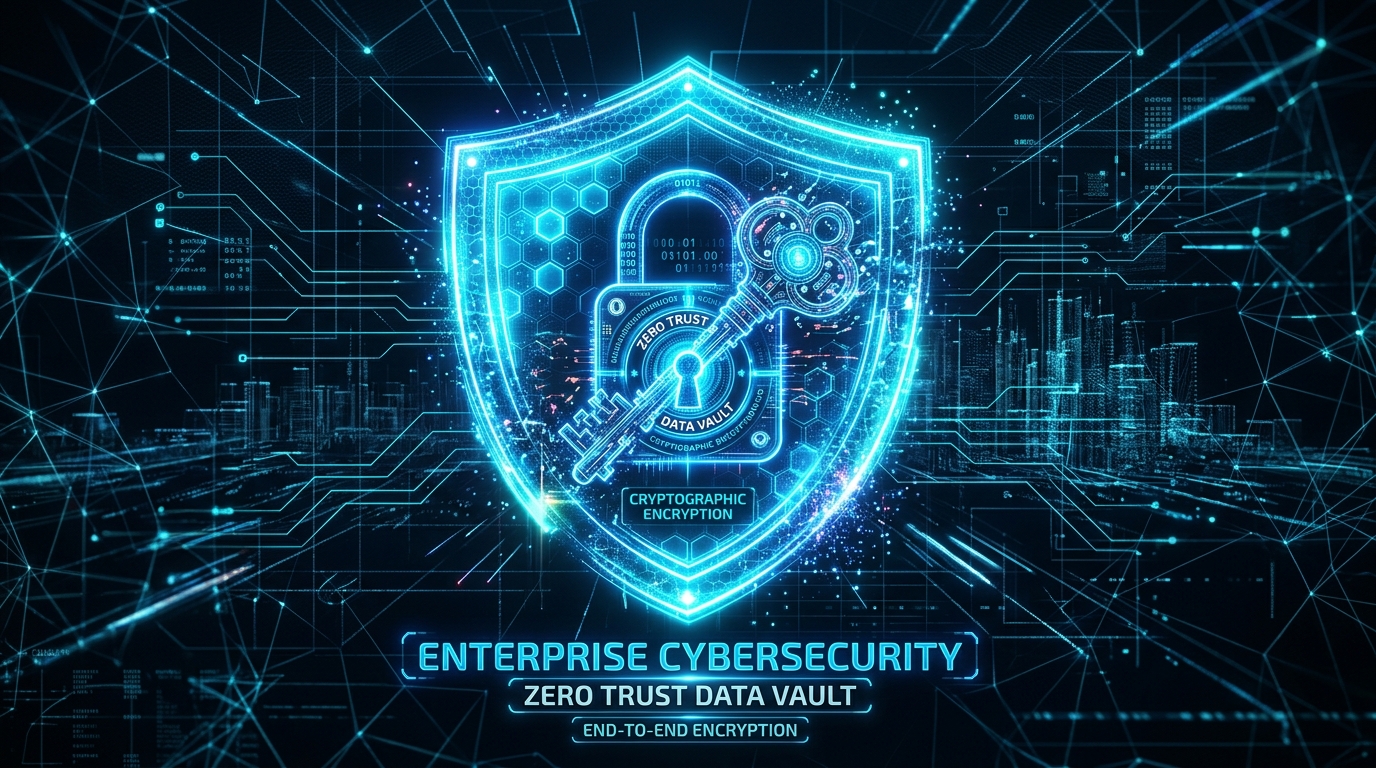
- Never rely on perimeter firewalls alone; adopt a 'never trust, always verify' zero-trust posture.
- Enforce tenant-level encryption at rest using dedicated KMS customer-managed keys.
- Implement dynamic Attribute-Based Access Control (ABAC) to evaluate context, location, and device posture.
- Stream immutable audit telemetry directly into external enterprise SIEM systems in real time.
Identity Provider (OAuth 2.0 / SAML) -> Zero-Trust Gateway (Evaluate IP, MFA, Tenant Scope) -> Encrypted Microservice Mesh (mTLS) -> KMS-Shielded Database Partition1. Enforcing Cryptographic Tenant Isolation
Traditional perimeter security assumes that everything inside the corporate intranet is trustworthy. In today's distributed cloud environment, this assumption is fatally flawed. A modern zero-trust architecture operates on the principle that the internal network is already compromised.
Multi-tenant platforms must guarantee cryptographic isolation. Beyond database schema boundaries, data at rest must be encrypted using envelope encryption with dedicated customer-managed keys (CMKs) stored in hardware security modules (HSMs). In the unthinkable event of an underlying storage breach, an attacker obtains only indecipherable cipher text without access to tenant-specific decryption keys.
2. Role-Based & Attribute-Based Access Control (RBAC/ABAC)
Static user roles (such as 'Admin' or 'Viewer') are insufficient for modern corporate compliance. Enterprise organizations operate complex department hierarchies with varying geographic and temporal permissions.
DEZORYN platforms implement dynamic Attribute-Based Access Control (ABAC). On every inbound API request, our authorization engine evaluates not only the user's explicit role, but contextual attributes: Is the user connecting from an approved corporate IP subnet? Is their device posture compliant? Are they attempting to access payroll data outside normal business hours? Fine-grained evaluation stops insider threats in their tracks.
3. Immutable Audit Trails and SIEM Integration
Compliance frameworks like SOC 2, HIPAA, and ISO 27001 require rigorous proof of who accessed what data and when. Audit logs that live inside mutable application tables are vulnerable to tampering by privileged database administrators.
Production SaaS platforms write audit events to append-only, cryptographically verified logging streams. Every record view, export, privilege elevation, and configuration modification is signed and streamed directly to enterprise Security Information and Event Management (SIEM) tools like Datadog, Splunk, or AWS CloudWatch.
4. Continuous Penetration Testing and Vulnerability Defense
Security is an active posture, not a static certification. Continuous automated dependency scanning, static code analysis (SAST) in CI/CD pipelines, and regular third-party black-box penetration testing guarantee that emerging zero-day vulnerabilities are patched within hours of discovery.