How to choose SaaS software for your business
A practical framework for evaluating multi-tenant SaaS platforms against custom software builds, total cost of ownership, and security standards.
- Factor in long-term maintenance, hosting DevOps, and security patching when calculating true Total Cost of Ownership (TCO).
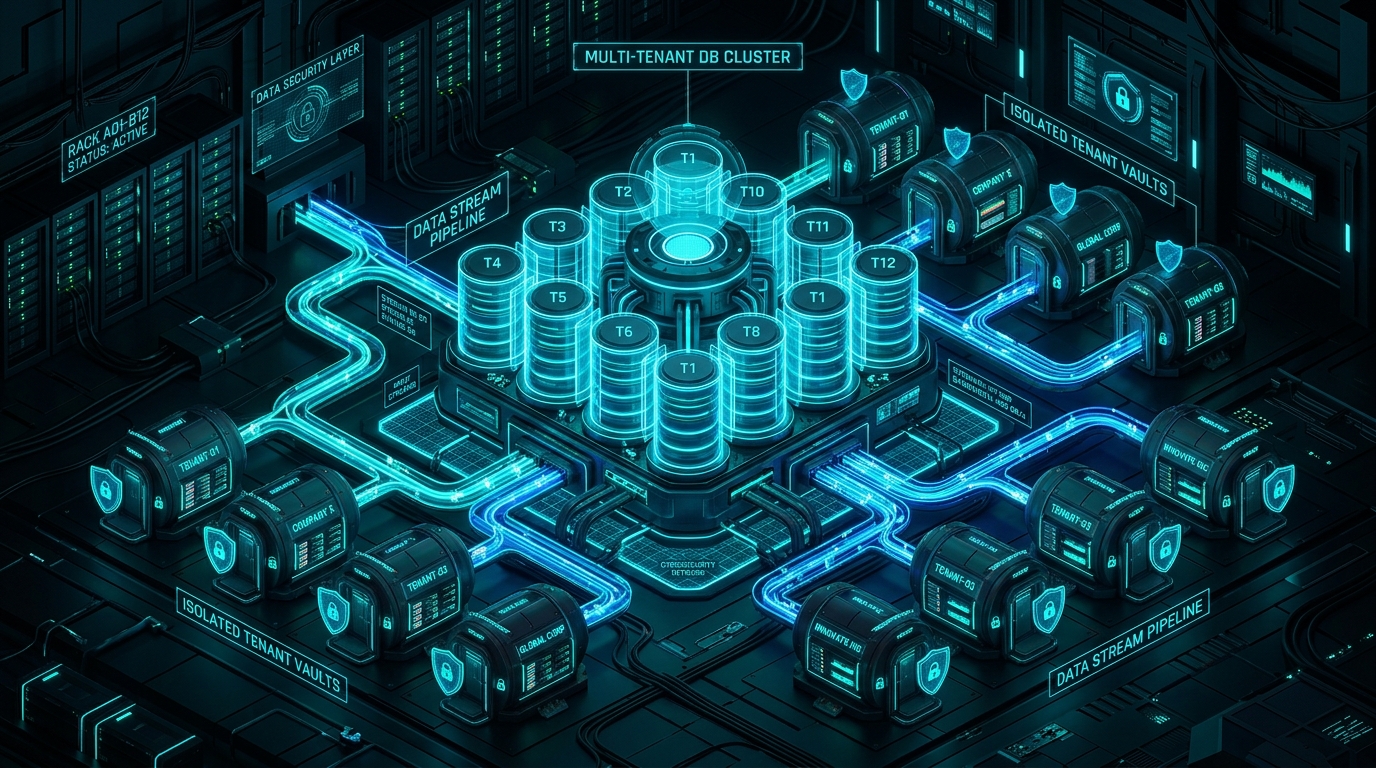
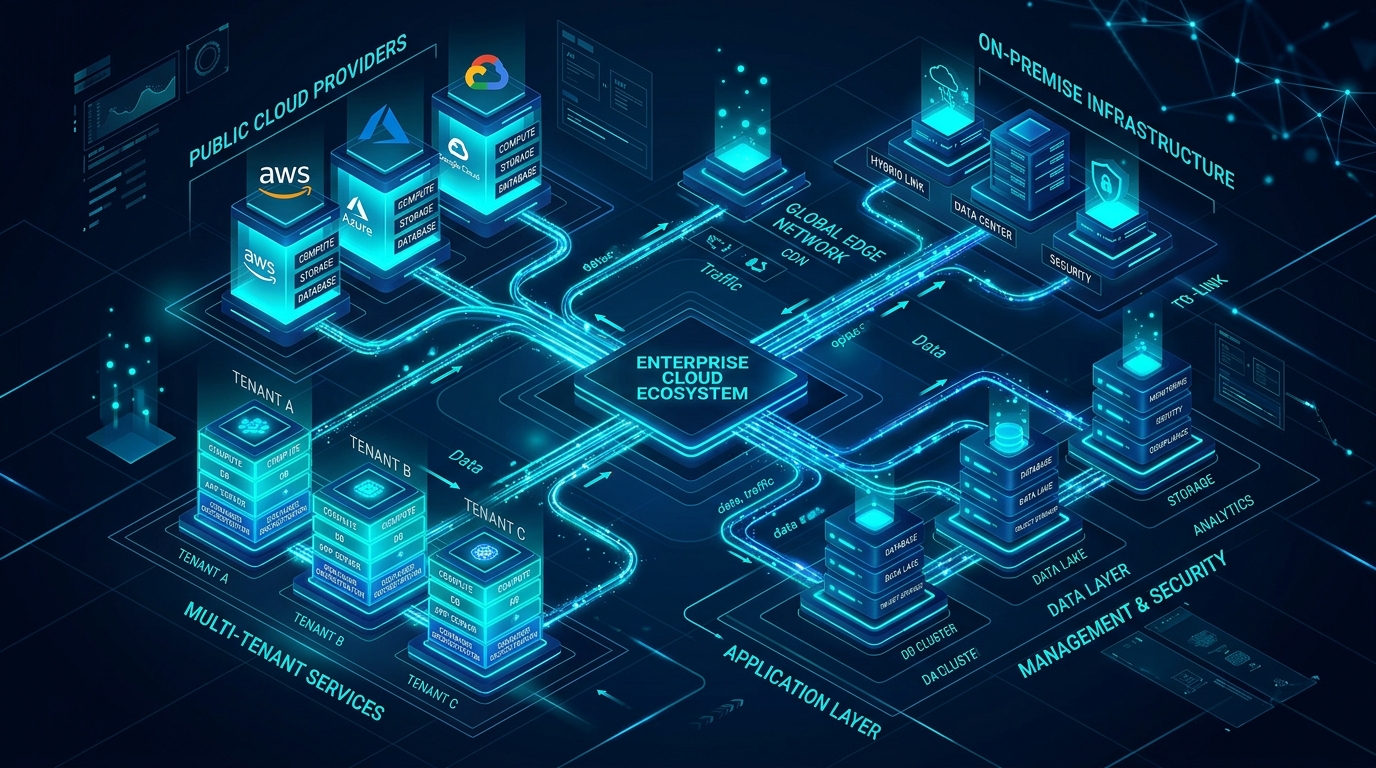
- Prioritize multi-tenant architectures with cryptographic or schema-isolated data boundaries over shared legacy monoliths.
- Never commit to software without validating REST API completeness, webhook reliability, and automated data portability.
- Demand transparent USD subscription pricing with guaranteed SLA uptime commitments of at least 99.9%.
SaaS Evaluation Scorecard: Security (30%), API Extensibility (25%), Total Cost of Ownership (20%), Time-to-Deploy (15%), SLA Guarantees (10%)1. Evaluate Total Cost of Ownership (TCO)
When evaluating enterprise software, the initial license price is merely the tip of the iceberg. Custom in-house builds frequently suffer from scope creep, hiring delays, and indefinite maintenance burdens that cost 4x to 8x more than off-the-shelf multi-tenant SaaS platforms.
A rigorous TCO calculation must incorporate cloud hosting infrastructure, staging environments, continuous security patching, vulnerability scanning, and the recurring salaries of DevOps and site reliability engineers. Pre-built enterprise SaaS systems like DEZORYN allow organizations to compress deployment timelines from eighteen months down to two weeks, shifting capital expenditure directly into high-ROI operational productivity.
2. Check Multi-Tenant Security & Isolation
The cornerstone of enterprise cloud trust is tenant isolation. Disreputable vendors frequently pool tenant data in shared database tables with mere WHERE clauses filtering rows, leaving your sensitive corporate intelligence vulnerable to query injection or rogue developer scripts.
Demanding verified architectural separation—such as PostgreSQL row-level security (RLS) with session-injected tenant claims or dedicated schema-per-tenant partitions—ensures that no cross-contamination can ever occur. Additionally, verify that encryption keys are rotated periodically using AWS KMS or HashiCorp Vault, and that every administrative action generates tamper-evident immutable audit logs.
3. Prioritize Open APIs and Extensibility
Walled gardens strangle operational agility. As your organization evolves, your core enterprise software must seamlessly synchronize with external CRM suites, payroll providers, communication tools like WhatsApp and Slack, and corporate data warehouses.
Evaluate the vendor's API developer portal prior to purchase. Look for RESTful v1 JSON specifications, comprehensive webhook event subscriptions with HMAC-SHA256 signature verification, and automated retry mechanisms with exponential backoff. A platform that provides native webhooks saves hundreds of engineering hours when bridging legacy on-premises databases with modern cloud infrastructure.
4. Deployment Speed and Vendor Support SLAs
A software platform that takes six months to onboard frontline teams is an operational failure. Prioritize systems that offer pre-configured industry templates, guided staging sandboxes, and automated CSV/JSON data ingestion pipelines.
Furthermore, enterprise contracts must stipulate 99.9% uptime commitments with clear financial credits for service degradation, 24/7 priority incident response, and direct access to dedicated solutions architects rather than automated triage bots.